
"18th Century"
600 article(s) found

Coffee and Cafe Culture
History itself is a cultural phenomenon, and the deposition of human culture is the product of human long-term history and social practice, which is both spiritual and material. Therefore, when we mention the term culture, it represents that rhyme is not only a common concept in the academic and ideological field, but also a daily term in social life. Everything created by human beings can be regarded as the content of culture.

Santo Domingo coffee beans, coffee beans
To trace the origins of Tibica, we must first talk about the coffee tree originally planted in Martinique. These trees were planted by Dominicans as far back as the early 18th century, so Dominica began growing coffee as early as that time. For a time, the Caribbean was almost synonymous with coffee production, but in recent years Cuba, Haiti and other producing areas have been severely damaged by Hurricane George and have since changed.

Coffee growing environment coffee variety producing area in Indonesia
In the Dutch colonial era, coffee was grown mainly in large estates. after World War II, it experienced the process of nationalization and the movement of independence. today, about 90% of the coffee produced in Indonesia is produced by small farmers. Indonesian coffee is Arabica, and the Arabica manor was destroyed by the leaf rust disaster at the end of the 18th century. at first, the Dutch tried to grow Liberian species, and later

Planting pattern of coffee varieties in Indonesia
At first, Indonesian coffee was Arabica, and the Arabica manor was destroyed by a leaf rust disaster at the end of the 18th century. at first, the Dutch tried to grow Liberian seeds, and later, they began to plant Robsta seeds on a large scale. At present, Arabica accounts for about 10-15% of the coffee produced in Indonesia, and the rest is Robusta. Although Liberika is productive, it is basically not included in the coffee trade.

Coffee in Japan
As early as the end of the 17th century, the Dutch brought coffee to Asia in the early 18th century, and coffee was soon introduced to Japan. Before and after the Meiji Restoration, Japan advocated total westernization, and the coffee culture with Dutch flavor took root in Japan. During the Taisho period (1879-1926), due to the pervasive atmosphere of freedom and democracy, fresh and luxuriant culture, cafes have been very prosperous. But with the Japanese army,

History of coffee tree cultivation Importance of bean grinder
In fact, Arabs began growing coffee in 525 BC, and chewing roasted coffee beans became popular in Arabia. In 890 AD, Arab merchants sold coffee beans to Yemen, and Yemen made coffee beans into a beverage for the first time. In the 15th century, coffee was introduced into Europe, Asia, and soon into America. By the 18th century, the tropics and subtropics of the globe were widespread.

Atlanta Manor of Santo Domingo Coffee, a coffee producer in the Dominican Republic adjacent to the sea.
In the early 18th century, coffee was introduced to Domiga from Martinique, and fine coffee was produced in the north represented by Hibao and in the south, including Okayabani Santo Domingo. Among them, the coffee produced by Santo Domingo and Barney, which is almost synonymous with domiga coffee, is a world-famous high-quality coffee. Santo Domingo coffee, which is characterized by freshness and elegance,

Rich aroma of Salvadoran Himalayan coffee flavor description taste characteristics of fine coffee beans
The city of El Salvador has a large number of 16th-century buildings and religious buildings, many of which are decorated with 17th-and 18th-century carvings and stripes made of colored mud, reflecting the characteristics of the colonial period. Its overall characteristics are described through a forest of monuments and consistent ideas. All this shows that El Salvador is a city with a suitable structure for the colony.

Introduction to the History of Coffee Tree species History of Botany
In fact, the Arabs began to grow coffee in 525 BC, and chewing fried coffee beans became popular in the Arab region. In 890 AD, Arab merchants sold coffee beans to Yemen, and Yemenis made coffee beans into drinks for the first time. In the 15th century, coffee was introduced into Europe, Asia and soon into America. By the 18th century, species were widely distributed in tropical and subtropical regions of the world.

Introduction to the varieties and producing areas of coffee beans in Indonesia
At first, Indonesian coffee was Arabica, and the Arabica manor was destroyed by the leaf rust disaster at the end of the 18th century. at first, the Dutch tried to plant Liberian species, and later, they began to plant Robsta species on a large scale. At present, Arabica species account for about 10-15% of the coffee produced in Indonesia, and the rest is Robusta. Although Liberika species are produced, they are basically not in coffee.

Coffee and Japan
As early as the end of the 17th century, the Dutch brought coffee to Asia in the early 18th century, and coffee was soon introduced to Japan. Before and after the Meiji Restoration, Japan advocated total westernization, and the coffee culture with Dutch flavor took root in Japan. During the Taisho period (1879-1926), due to the pervasive atmosphere of freedom and democracy, fresh and luxuriant culture, cafes have been very prosperous. But with the Japanese army,
Evolution history of bean baking machine
At the beginning of the history of household roaster coffee, there were only household bean baking utensils in the world. These bean baking utensils were standard accessories in ordinary people's kitchens until the early 20th century. 16th century: the simple construction tool of the Iraqi baking pot is to move the pot to a small fire or a heat source on a coal fire.

Fresh and elegant Santo Domingo boutique coffee bean cultivation geographical location, climate, good altitude
Carefully selected in this way, the high-quality Dominican coffee exudes a faint aroma and gives people a faint fruity aroma with a lingering finish and a smooth and smooth finish. To trace the origin of Tibica, we should first talk about the coffee trees originally planted in Martinique. These trees were planted by Dominicans as far back as the early 18th century, so Dominica began at that time.

Introduction of varieties of Grinding scale by taste treatment method for Flavor description of Brazilian Coffee Farm
Brazilian Coffee Flavor description of the region Flavor treatment Grinding scale varieties Brazil is the world's largest coffee producer. But Brazil originally did not produce coffee. Coffee originated in Arabia and was introduced into Europe in the 18th century and was very popular. Later, the French specially shipped the coffee saplings to French Guiana, which was finally introduced into Brazil, and finally carried forward in Brazil. Please don't

Three waves of coffee what is the second wave of coffee? what is the first wave of coffee?
Professional Coffee knowledge Exchange more information on coffee beans Please follow the Coffee Workshop (Wechat official account cafe_style) the first and second waves of coffee are like a history lesson, when everyone realizes that we are in a new, definitely third coffee age, we will go back to history. So what are these waves and how did we suddenly get to the third wave? Let's

Very soft; pure El Salvador Renas Manor coffee flavor description method mouth
The city of El Salvador has a large number of 16th-century buildings and religious buildings, many of which are decorated with 17th-and 18th-century carvings and stripes made of colored mud, reflecting the characteristics of the colonial period. Its overall characteristics are described through a forest of monuments and consistent ideas. All this shows that El Salvador is a city with a suitable structure for the colony.
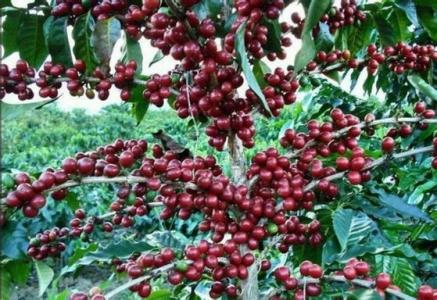
Colombia Hope Manor Rosa Coffee Bean Price Flavor description to deal with legal production area
Colombia wants Manor Rose Summer Coffee Bean Price Flavor description to deal with the legendary Bourbon pointed Coffee, a natural variant found on the island of Bourbon. In the 18th century, the production of this high-end coffee popular in Europe reached 4000 tons, but in 1942, only 200kg was left. After the 20th century, this natural low-caffeine, excellent flavor.
Introduction to the characteristics of Fine Coffee by the treatment of Coffee Grinding degree in Fuyin Manor, Indonesia
The reputation of Java coffee, the oldest producing area, continues from the glory days of Indonesian coffee in the 18th century, and the mention of Java coffee is still reminiscent of high-quality delicacy, when the most famous blend is Java coffee with Yemeni mocha. In addition, Java also has a very famous old coffee Aged coffee, or monsoon coffee Monsooned coffee. Java is an imprint.

A brief introduction to the description of flavor, taste and aroma characteristics of Java coffee
Java coffee is full-bodied and full-bodied, with clear, high-quality acidity, high balance, and sometimes nutty taste. In terms of appearance and quality, Java coffee is excellent, just like a woman's vaguely charming, charming and just right, memorable. Java has a mild climate, humid air and diverse climate that makes it a harvest season all year round.

A brief introduction to the market price of fresh and elegant Santo Domingo boutique coffee beans
To trace the origin of Tibica, we should first talk about the coffee trees originally planted in Martinique. These trees were planted by Dominicans as far back as the early 18th century, so Dominica began growing coffee as early as that time. For a time, the Caribbean was almost synonymous with coffee production, but in recent years Cuba, Haiti and other producing areas have been severely damaged by Hurricane George.